
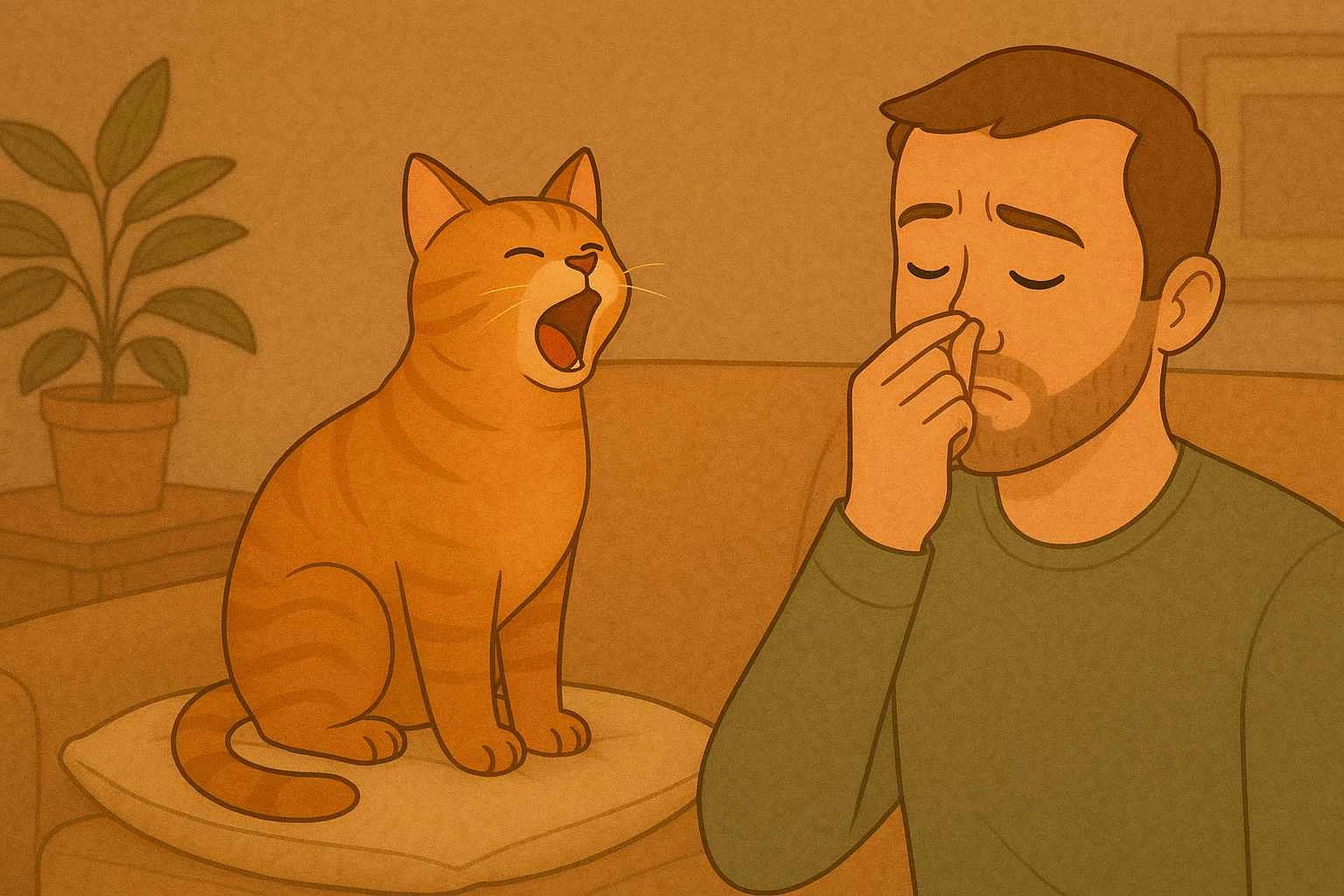
There you are, snuggling your sweet cat, when suddenly — wham. A gust of warm, fish-scented air wafts up from their tiny mouth. You weren’t expecting eau de tuna, but here it is, and now you can’t un-smell it. So what gives? Why do some cats have breath that smells like a seafood buffet, and is it ever something to worry about?
💌 Dear Tabby
Dear Tabby,
My cat has the sweetest face, but lately her breath has started smelling like fish. At first I thought it was something she ate, but it’s been going on for a while now. She seems totally fine otherwise — playful, eating normally, and acting like her usual bossy self. Should I be worried, or is this just a weird cat thing?Sincerely,
Trying Not to Take It Personally in Austin
🐾 Tabby Replies
Ah, the old “I love you, but your breath is a biohazard” dilemma. You are far from alone. While some cats have fairly neutral breath, others could clear a room with one yawn. Let’s take a look at what’s normal, what’s not, and how to handle a cat whose mouth smells like the inside of a sardine tin.
🐟 It Might Be the Food
If your cat is on a fish-based diet, especially one that includes tuna, salmon, or whitefish, that smell might simply be lingering on her breath. Some wet foods and treats leave a stronger after-smell than others. It’s not dangerous — just pungent. If your cat tends to groom herself after eating, the scent can even transfer to her fur, compounding the fishiness.
That said, if the smell started after a recent switch in food, try going back to a poultry or lamb formula and see if that clears things up.
🪥 Dental Health Check-In
One of the most common causes of smelly cat breath is dental buildup. Cats can develop plaque, tartar, and even gum disease, especially if their teeth aren’t regularly cleaned. That fishy smell might be masking something more serious — like gingivitis or an infected tooth. Other subtle signs like tear staining can sometimes reveal mild underlying issues.
Try a quick sniff test. If the breath smells fishy but not rotten, you’re probably in the food zone. But if there’s a sour or decay-like smell, it’s time to call the vet. Dental disease often goes unnoticed until a cat stops eating, and by then the issue may be advanced.
🦠 Oral Bacteria and Saliva
Some cats simply have more odor-producing bacteria in their mouths than others. Just like people, cats have a natural oral microbiome. Certain bacteria, especially those that feed on protein, can break down food particles in a way that releases a fishy or sulfurous smell. This doesn’t always indicate a problem — it’s just part of how their system processes things.
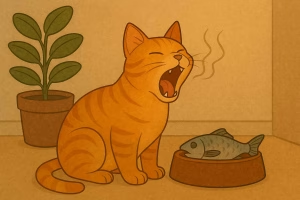
Still, if the smell is persistent and not tied to mealtime, it’s worth mentioning at your next checkup.
🐾 Behavioral Clues to Watch
Keep an eye on how often your cat yawns around you, whether she drools, or if she favors one side of her mouth. Cats are subtle when something hurts, and breath changes can be one of the few early clues. Excessive licking of objects or pawing at the mouth are also red flags.
Tabby once had a back molar that smelled like low tide on a warm day. I didn’t notice until she stopped crunching her kibble. By then, she needed a full cleaning. Lesson learned.
🐱 Tabby’s Final Word
If your cat’s breath smells like fish, you’re probably catching a whiff of her latest meal — and maybe a little harmless bacteria. But if the scent lingers, gets worse, or smells more like decay than dinner, it’s worth a vet visit.
You can also start brushing her teeth if she allows it, or try dental treats designed to reduce tartar. It’s not glamorous, but it can make a big difference. And if all else fails, give her a kiss on the forehead instead of the mouth. Love smells better from a distance.