
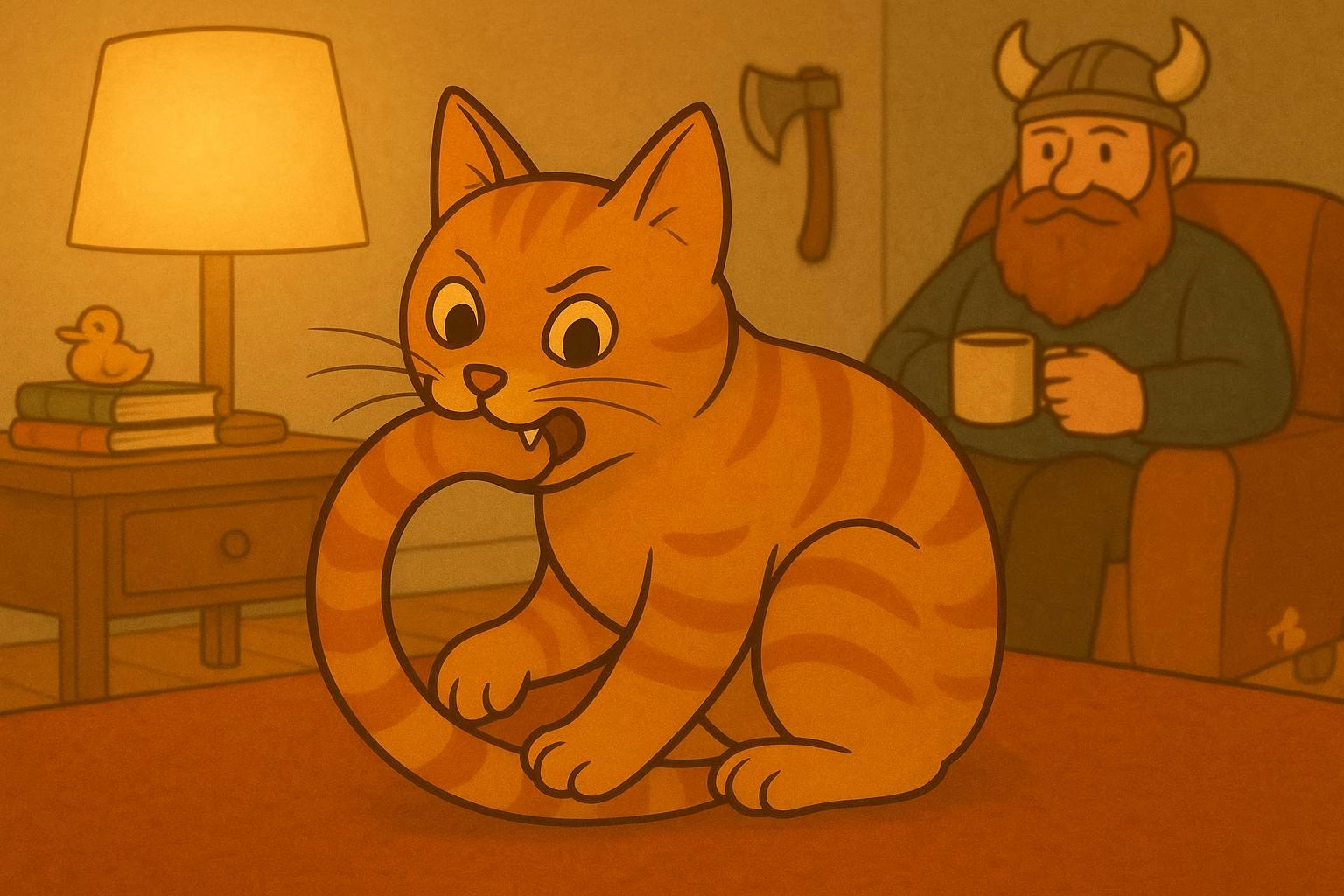
One moment your cat is resting peacefully, the next he is twisting around and chomping on his own tail. It may look playful or even a little silly, but tail biting can have a range of meanings — from harmless habit to something that needs attention. If you have ever wondered why your cat bites his tail, especially when it seems out of nowhere, you are not alone.
Dear Tabby 🐾
“I have seen my cat chase and bite his tail occasionally, but lately he seems to do it more often. Sometimes it looks like play, but other times it seems more intense. Is this normal or is something wrong?”
— Jenna R., Milwaukee
Tabby Replies 🐱
Tail biting can be one of those behaviors that is easy to dismiss as quirky, but it is always worth noticing. Cats use their tails as a communication tool, and when they turn their attention to it physically, there is usually a reason. That reason could be as simple as boredom, or it could be your cat’s way of pointing to discomfort.
Let’s explore what tail biting might really mean.
🐾 Normal Play or Curiosity
Some cats bite their tails as part of solo play, especially if they are under-stimulated or simply curious about that moving thing behind them.
This is most common in younger cats or those without regular enrichment. If the behavior is infrequent, gentle, and not followed by distress, it is likely nothing to worry about. Your cat may just be entertaining himself when other toys are not available.
Look for soft body posture, loose movement, and normal behavior afterward.
😼 Redirected Energy
Tail biting can also be a sign of frustration or overstimulation, especially if your cat just finished an exciting interaction.
This might include:
- Watching birds from the window
- Being petted too long
- Interacting with another pet
The energy has to go somewhere, and for some cats, it lands on the tail. If you notice your cat biting his tail right after play or stimulation, it may be his way of resetting or releasing tension.
🧼 Skin Irritation or Fleas
If tail biting is frequent and focused on the base or tip of the tail, it may be a response to itching or discomfort.
Common causes include:
- Fleas
- Dry skin
- Allergies
- Irritation from grooming products
Check the skin for flakes, redness, or movement. A flea comb can help you spot the tiny culprits that might be driving the behavior.
❗ Pain or Compulsive Behavior
Persistent or aggressive tail biting could point to tail pain, nerve sensitivity, or compulsive grooming habits.
If your cat is biting hard, vocalizing, or acting agitated afterward, this may be more than behavioral. Some cats develop conditions like feline hyperesthesia syndrome, where the skin becomes twitchy and oversensitive.
If you suspect pain or compulsion, consult your veterinarian to rule out medical causes and discuss behavioral strategies.
🧬 What Science Says
While there are no direct studies on tail biting in domestic cats, veterinary behaviorists note that tail-focused behaviors are often linked to under-stimulation, dermatological triggers, or stress-related displacement activity.
Tail chasing and biting are sometimes seen in cats with limited enrichment or underlying discomfort that manifests through repetitive behaviors. Keeping your cat mentally and physically engaged is a key part of reducing these habits.
Tabby’s Final Word 🧶
When your cat bites his own tail, he might be playing, redirecting energy, or dealing with something more serious. If it is occasional and lighthearted, it is probably just quirky cat behavior. But if it is persistent, intense, or clearly uncomfortable, it is time to dig deeper.
Observe the timing, the triggers, and your cat’s body language. Tail biting might look strange, but it is still a form of communication. The more you listen, the better you can help.