
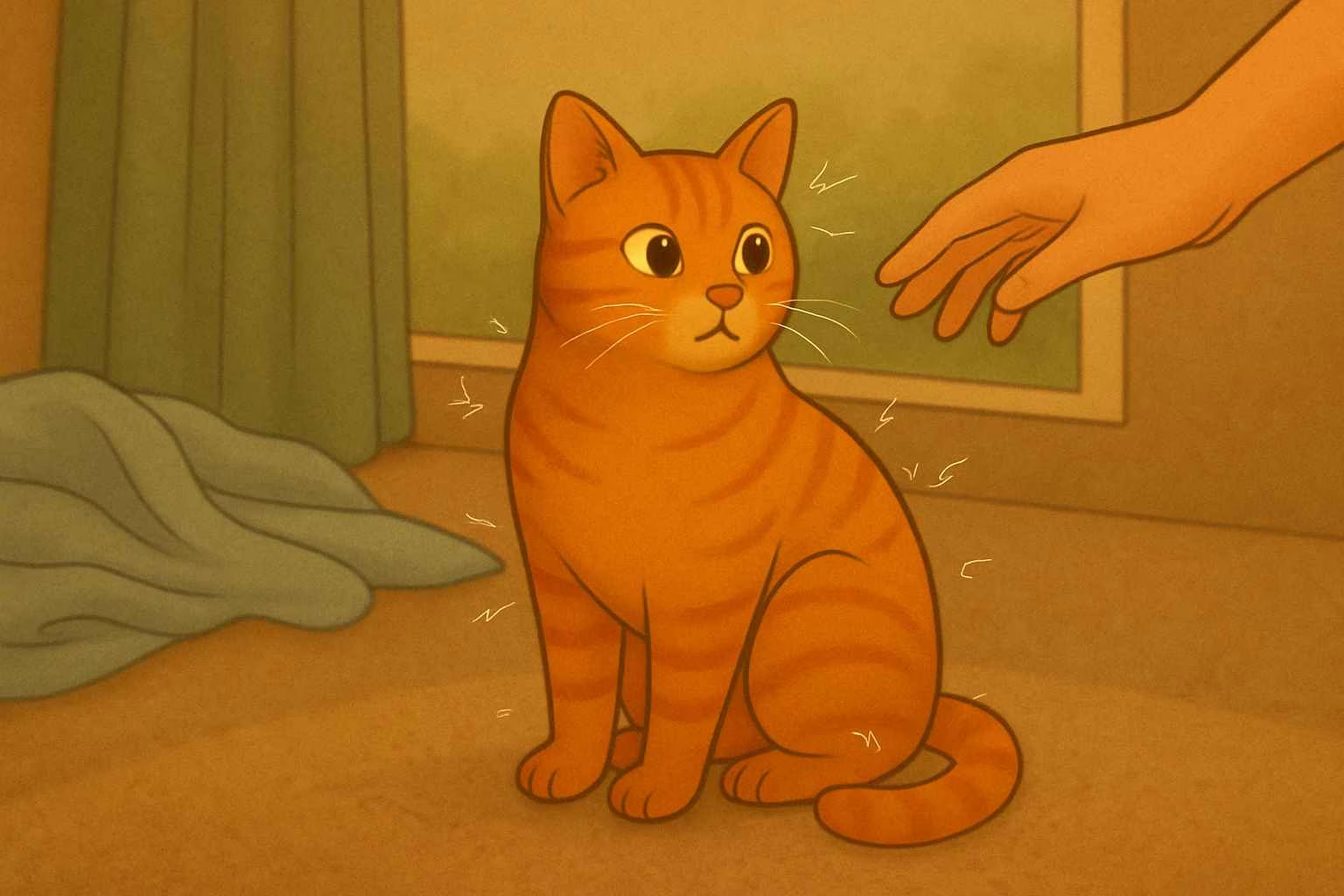
You reach out to pet your cat and — zap. A tiny spark jumps from your fingertips to her fur, and both of you look mildly betrayed. She flattens her ears. You apologize out loud, because of course you do. It’s winter, the air is dry, and apparently your cat has become a walking puffball of static electricity. But why is this happening, and is it something to worry about?
💌 Dear Tabby
Dear Tabby,
Every time I pet my cat lately, I get a small static shock. Her fur sometimes crackles when she walks across a blanket, and I’ve even seen little sparks at night. She’s acting totally normal, but I’m starting to feel guilty for petting her. Why is this happening, and can I stop it without turning my house into a rainforest?Sincerely,
Shocked but Still Loving in Chicago
🐾 Tabby Replies
Static cling and crackly cats — it’s more common than you’d think. Most cats aren’t big fans of sudden zaps, and you’re right to want to understand why it happens and how to reduce it. Let’s unravel the mystery of feline fuzz and winter shocks.
🧣 Dry Air and Cold Weather
The most common culprit behind static buildup is dry air. During the colder months, heating systems reduce humidity levels inside your home. This dry environment creates the perfect conditions for static electricity to build up, especially on fabrics, furniture, and yes — fur.
Cats with plush or long coats are especially prone to it. When they rub against blankets, couches, or even your pants leg, tiny charges start to accumulate. The next time you pet them, that energy has nowhere to go except your unsuspecting fingers.
🧵 Fabric Friction
Certain materials are more likely to create static than others. If your cat loves fleece, wool, microfiber, or shaggy rugs, they might be unknowingly charging themselves like a cozy little battery. Add in a few zoomies across the floor, and it’s no wonder sparks start flying.
Tabby once had a favorite fleece throw that could power a toaster. Every time she got up from it, her fur floated like she’d licked an outlet.
🧼 Grooming and Fur Condition
Well-maintained fur can actually reduce static, while dry, flaky coats tend to hold a charge longer. If your cat is shedding heavily or has a lot of fine, dry fur, she may be more likely to zap herself — or you — throughout the day.
Brushing your cat regularly helps distribute natural oils across her coat, which can cut down on friction and dryness. You can also use a grooming spray made specifically for cats if the problem is persistent.
🌬️ Humidity Matters
Increasing the humidity in your home is one of the most effective ways to prevent static shocks. You don’t need to turn your house into a sauna. Even placing a small humidifier in the room where your cat sleeps or lounges can make a noticeable difference. Dry environments that cause static might also encourage cats to interact differently with water.
Bowls of water near heating vents, regular misting of fabric surfaces, and adding plants can all help boost moisture in the air naturally.
🧠 Is It Harmful to Your Cat?
No — static shocks are startling but not dangerous. Most cats react by twitching, flinching, or running away, but they’re not harmed. If your cat starts avoiding touch, especially in dry months, static might be part of the reason.
If it happens often, it can create mild stress, so it’s worth managing. You don’t want your affectionate moment to come with unintended side effects.
🐱 Tabby’s Final Word
Your cat turning into a crackly little static cloud is not a health problem, it’s a seasonal side effect. A little grooming, a touch of humidity, and some attention to fabric types can go a long way.
If she starts flinching when you reach out, rub your hands on a damp cloth or touch something grounded first. And remember, she doesn’t think you’re zapping her on purpose — but she might still look at you like you owe her an apology.
Winter may be dry, but your bond doesn’t have to be.