
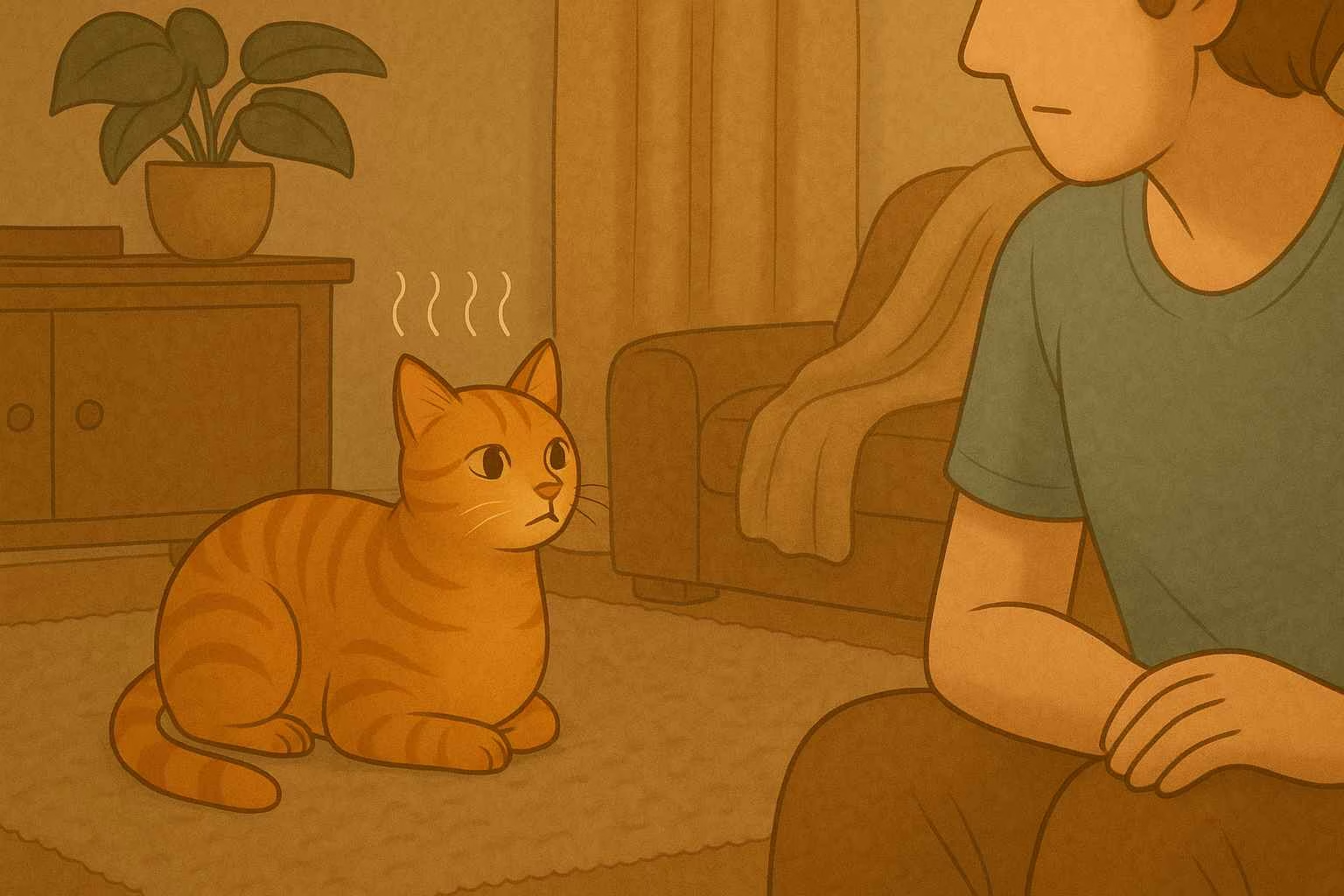
You glance at your cat during a quiet moment. She’s not moving, not playing, not stressed. But her chest is rising and falling more quickly than expected. She’s not panting or wheezing, but it still seems… fast. Is this something cats do? Or a reason to worry?
💌 Dear Tabby
Dear Tabby,
Lately, I’ve noticed that my cat breathes really fast sometimes, especially when she’s lying down. She doesn’t seem to be in pain, and her behavior hasn’t changed, but it makes me nervous. Should I be concerned, or is this just how cats breathe?Thanks,
Concerned but Calm in Colorado
🐾 Tabby Replies
Good on you for noticing. A cat’s breath can reveal more than you think. While fast breathing can sometimes be perfectly normal, there are times when it points to something that needs attention. Let’s figure out what you’re seeing and what it means.
😴 Resting Breath vs. Panting
Cats naturally breathe faster than humans. A healthy resting respiratory rate is usually between 20 and 30 breaths per minute. If your cat is lying still, eyes half-closed, and her chest is rising gently but a little quicker than usual, it may just be her normal rhythm. If breathing remains fast and heavy over time, it could indicate a deeper concern.
Try this: while she’s asleep, count how many times her chest rises in 30 seconds, then double that number. If it’s under 30 per minute and she seems otherwise relaxed, you’re likely looking at a healthy nap.
🏃 Post-Activity Recovery
If your cat has just finished racing through the hallway or batting her toys under the couch, her breathing might still be elevated from the exertion. This kind of fast breathing is similar to what we feel after a workout. It should taper off within a few minutes of rest.
Tabby tends to run laps around the kitchen every evening. Afterward, she loafs dramatically and breathes like she’s just climbed a mountain. Then she yawns, licks her paw, and carries on as if nothing happened.
🧠 Stress or Environmental Triggers
Changes in environment, new visitors, loud noises, or even a trip to the vet can make a cat breathe faster. Anxiety often causes short bursts of rapid, shallow breathing. You may notice her ears tilt back, her tail twitch, or her posture tighten during these moments.
If the fast breathing is brief and related to a specific situation, it’s probably a temporary stress response.
🩺 When It’s Time to Check In
Some causes of fast breathing require medical attention. You should contact your vet if:
- The breathing is consistently rapid while resting
- Your cat seems lethargic or withdrawn
- You notice open-mouth breathing
- Her gums look pale or bluish
- There are signs of labored breathing, like flared nostrils or visible effort
These symptoms can point to respiratory infections, asthma, heart disease, or other underlying issues that deserve immediate care.
🌿 Home and Health Checks
Check the space around your cat. Dry air, strong scents, or allergens like pollen and dust can all irritate sensitive feline lungs. If your cat suddenly begins breathing faster and you’ve recently cleaned, burned a candle, or brought in a bouquet, try removing those triggers and watching for changes.
🐱 Tabby’s Final Word
Cats breathe faster than we do, and sometimes that fast pace is just a sign of a comfy nap or a quick zoomie cooldown. But if your instincts are telling you something feels off, trust them. You know your cat’s normal.
Try monitoring her breathing during different parts of the day, especially when she’s calm and at rest. If you’re still concerned, bring your observations to your vet. A simple check-in could bring peace of mind, or help catch something early.
And hey — it’s a good excuse to spend even more time quietly watching your cat. As if you needed one.