
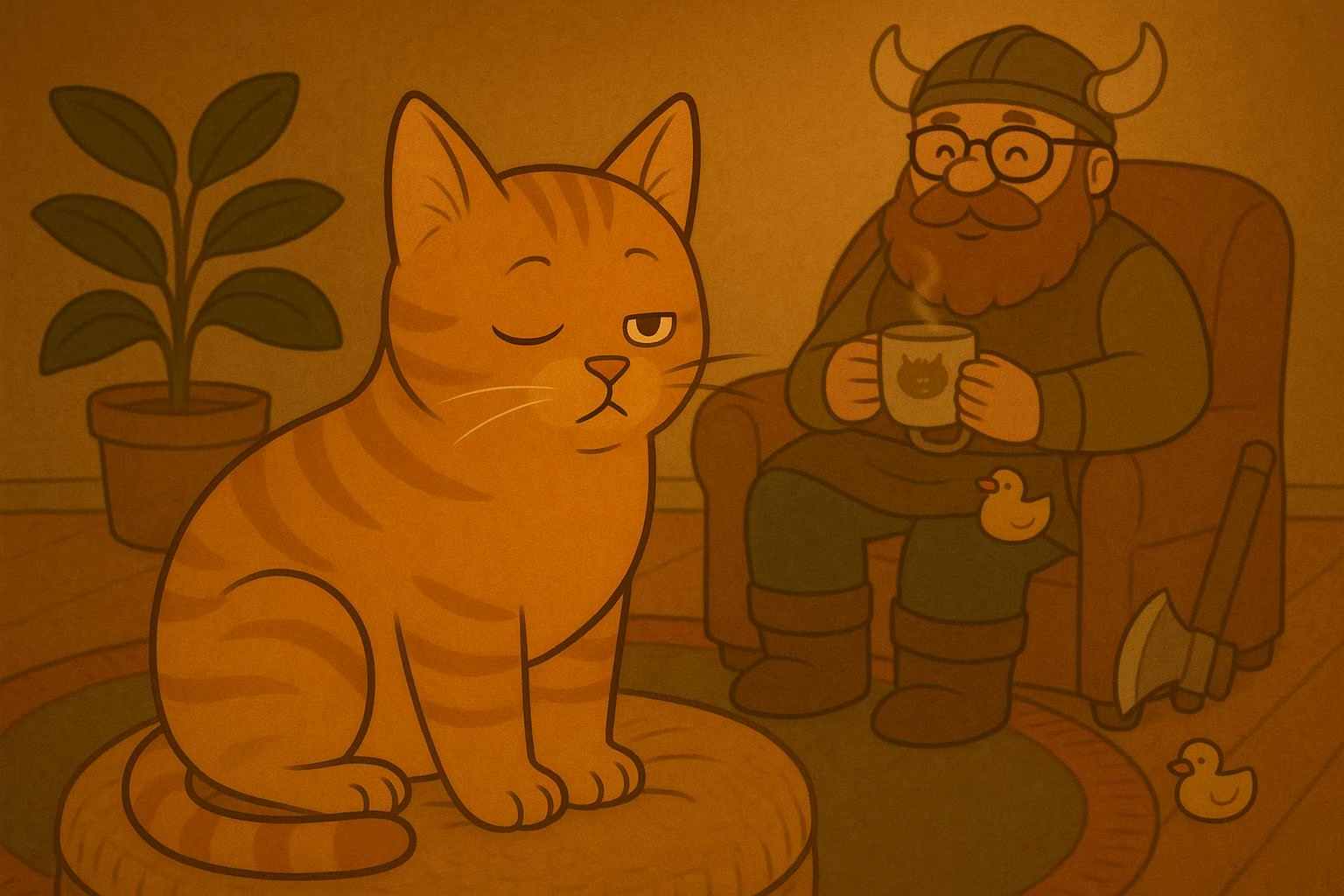
Cats are full of surprises, but catching a glimpse of their third eyelid can feel unsettling, like they just peeked through a hidden curtain you were not meant to see. Whether it flashes during sleep, appears randomly, or stays visible for hours, it is a signal worth paying attention to. Let’s take a closer look at what that semi-transparent veil is doing and why it sometimes makes an appearance.
Dear Tabby 🐾
“I noticed my cat’s eyes look strange sometimes. There’s a whitish film covering part of the eye, especially when she’s just waking up or resting. It disappears after a while, but it looks weird and kind of concerning. Should I be worried?”
— Brian M., Cleveland
Tabby Replies 🐱
That whitish film you are seeing is your cat’s third eyelid, also known as the nictitating membrane. It is a normal part of feline anatomy, and it plays a role in eye protection and moisture. But depending on how and when it appears, it can also be a sign of something deeper; from drowsy bliss to medical concern.
Let’s unpack what it means when the third eyelid comes out to say hello.
💤 Normal During Sleep or Drowsiness
It is perfectly normal to see your cat’s third eyelid when they are falling asleep, in light sleep, or just waking up.
The membrane slides partway over the eye to protect it while your cat’s muscles are fully relaxed. In these moments, it works like built-in safety goggles, shielding the eye without fully closing it.
If it disappears as your cat becomes alert, this is nothing to worry about.
🐾 Residual Sleepy Face
Sometimes after a nap, your cat’s third eyelid lingers for a few seconds or even a minute.
This is similar to a human rubbing their eyes after waking. The membrane retracts as your cat’s body comes fully back online. If it fades quickly and your cat looks otherwise normal, this is just a sleepy little quirk.
⚠️ A Sign of Illness or Discomfort
If your cat’s third eyelid is visible for extended periods, especially when they are awake and active, it can signal a health issue.
This might include:
- Dehydration
- Fever
- Gastrointestinal upset
- Eye infection
- Systemic illness
In these cases, the membrane may cover more of the eye and be paired with lethargy, reduced appetite, or hiding. Always contact your vet if the eyelid stays visible and your cat seems off.
🧠 Neurological or Ocular Conditions
Persistent third eyelid exposure can also be tied to nerve damage, facial trauma, or a condition called Horner’s syndrome.
These cases are rare but serious. You might also notice:
- One eye appearing smaller than the other
- Droopy eyelids
- Uneven pupils
- Head tilting
If you see any of these symptoms together with a visible third eyelid, get your cat checked by a veterinarian promptly.
🧬 What Science Says: Why Your Cat’s Third Eyelid Might Show
The third eyelid, or nictitating membrane, is a fascinating and often misunderstood part of feline anatomy. While formal studies on its behavior in house cats are limited, veterinary agreement on its role is consistent.
This inner eyelid helps protect the eye and distribute moisture, sliding across the surface during sleep or deep relaxation. It acts almost like a built-in windshield wiper, keeping the eye lubricated and safe from dust and small debris.
More importantly, when it becomes visible while your cat is awake and alert, it often signals that something deeper is going on. As outlined by licensed DVMs on VeterinaryPartner, the third eyelid may show when a cat is experiencing dehydration, a fever, gastrointestinal upset, or even neurological issues such as Horner’s syndrome.
So while the membrane itself is not usually the problem, its visibility can be a quiet but meaningful sign that your cat is not feeling quite right.
Tabby’s Final Word 🧶
The third eyelid is one of those fascinating feline features that usually works in secret. But when it becomes visible, it is often your cat’s way of telling you something, whether that something is “I’m sleepy” or “I need help.”
If it disappears within moments of waking and your cat seems normal, you can breathe easy. But if it stays visible, comes with other changes, or just does not feel right, trust your gut and call the vet. When it comes to their eyes, a little caution goes a long way.